Features
How a Sydney football club became the beating heart of a community
By Sacha Pisani4 June 2026
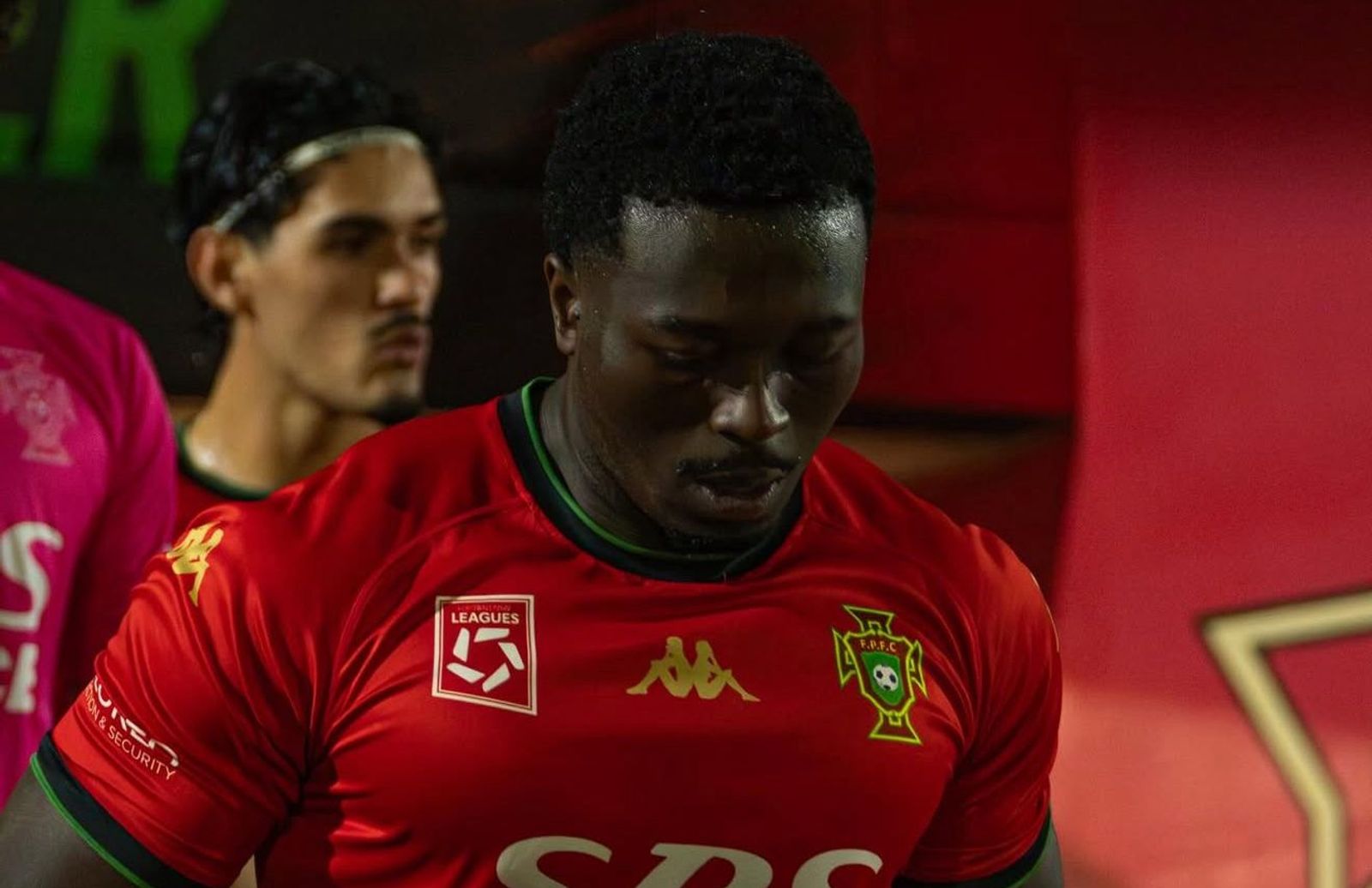
Walk through the gates of Fraser Park, and you quickly realise you are stepping into more than a football club.
You are walking into a piece of Portuguese-Australian history.
There is the big Fraser Park badge on the stadium wall in Marrickville. It almost feels like you are in Portugal or with the national team. The cub’s Portuguese identity is impossible to miss.
This is a club founded by Portuguese migrants in Sydney back in 1961. For more than six decades, Fraser Park has served as a home away from home for generations of families who arrived in Australia from the European nation in the post-World War II era, carrying little more than hope, ambition and a deep love for football.
Long before promotion races and thrilling Australia Cup qualifiers, football became a way for Portuguese migrants to connect with one another, preserve their culture and build a community in a new country. Fraser Park emerged from those foundations and remains proudly connected to them today.
Their colours mirror those of Portugal’s national team - picture Cristiano Ronaldo and Co. running out for A Selecao. The crest draws inspiration from the Portuguese Football Federation emblem. Even today, the club continue to operate under the umbrella of the Sydney Portugal Community Club, which remains central to preserving Portuguese culture in Sydney.
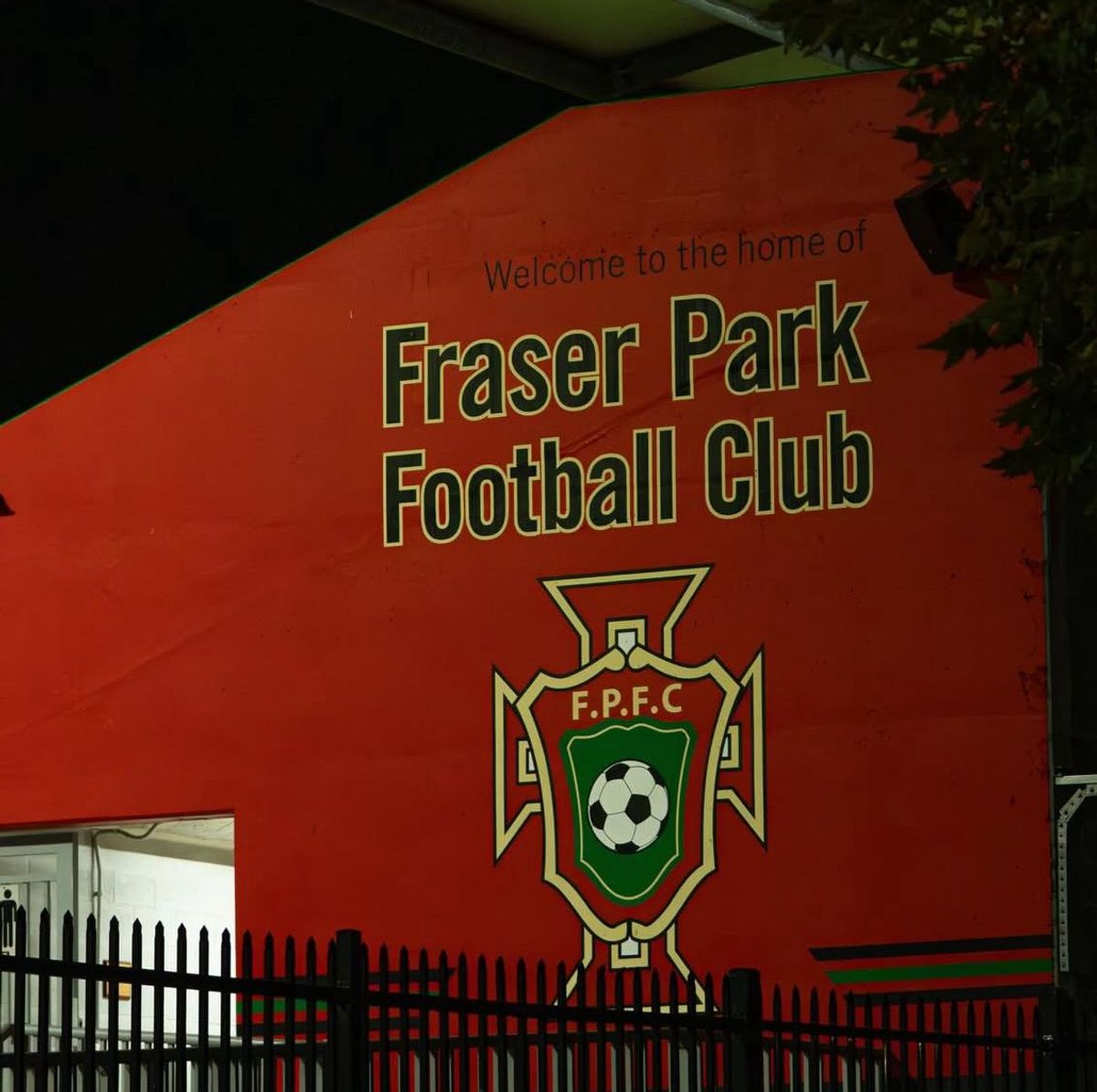
In an interview with HIGHPRESS, sporting director Paul Dos Santos said: “Fraser Park not only represents generations of Portuguese migrants and the Portuguese culture but also the local inner west community of Sydney.
“The football club is the face of Portuguese culture in Sydney.”
THE BAKER STORY: He hasn't played in the A-League. Indonesia have called up this highly-rated NPL teen anyway
Yet, Fraser Park are not content with simply celebrating their past.
They have ambitions for their future.
Fraser Park currently compete in Football NSW League Two - the third tier of football in New South Wales. In the late 1990s, they rose from Division 4 to Division 1.
Loading embed...
Their growth continued into the 2010s, securing the NPL NSW 3 Men's Championship in 2017 and back-to-back NSW State League 1 titles in 2019 and 2020, which positioned the club in League Two.
Now, Fraser Park are working to establish themselves as a destination club capable of producing players, competing at a higher level and becoming a benchmark for community football in New South Wales. You only have to look at the recently Australia Cup qualifier against storied NPL NSW club Sydney Olympic, which saw Fraser Park nearly pull off one of the upsets of the seasons.
Francis McAlpine is often seen scoring worldies, too.
Recent investment reflects that vision.
Infrastructure upgrades, including improvements to playing surfaces, drainage, lighting and matchday facilities, have modernised the club's home and reinforced their commitment to long-term growth after overcoming the challenges of COVID-19. They were also heavily invested into becoming one of the founding members of the Australian Championship.
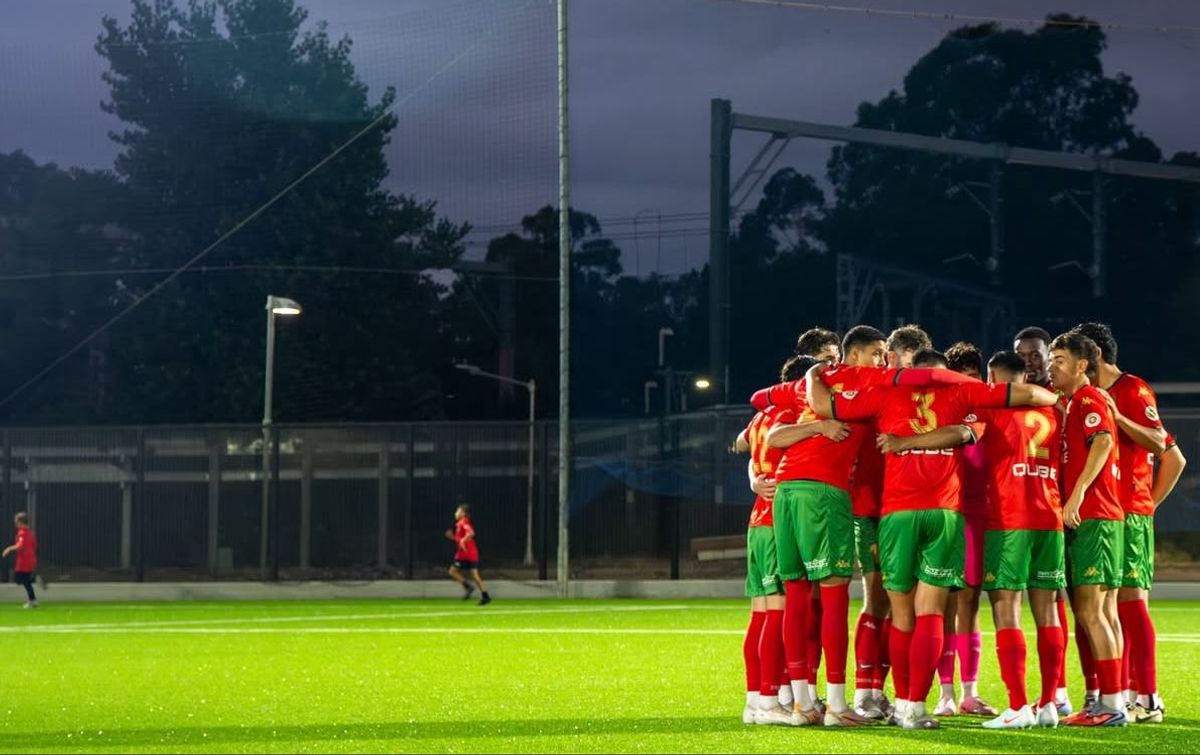
“The club has aspirations of promotion to the top tier of NPL in NSW and is actively chasing promotion,” said Dos Santos, who has been in the role for three years, having previously been at the club 13 years ago.
“This year the club also went on a Cup run and went within a few minutes of securing a spot in the final 32 nation wide of the Australia Cup, falling in the final minutes against the giants of Sydney Olympic.”
The club's influence can also be measured through the players who have worn their iconic colours.
Former Socceroos goalkeeper Clint Bolton spent time at Fraser Park. Australian international Ante Juric also featured for the club, while Lebanon international Yahya El Hindi began his football journey there before progressing through the game.
Those names are a reminder of what Fraser Park has become. A community institution, a football club and a cultural hub with big dreams.
And all these years later, Fraser Park have not lost sight of what they represent.